
Clock Case Restoration in Deale MD
Our process includes detailed examination, cleaning, and repair to maintain the value and history of your timepiece.
Eastport Clock offers expert restoration services for antique and modern clock cases, preserving original finishes and structural integrity.
Clock Case Restoration
Eastport Clock provides careful restoration for clock cases of many ages and designs. The case of a clock carries much of its character and history. It reflects the work of earlier craftsmen and holds the movement that keeps the clock alive. Over time wood surfaces begin to show signs of age such as cracks, worn finishes, scratches, faded areas and loose trim.
These concerns affect the appearance of the timepiece and may place stress on the movement if not addressed. Eastport Clock approaches case restoration with the same patient method applied to mechanical repair. The owner spent many years in historic restoration work which provides valuable understanding of old materials and the importance of respectful handling. This introduction explains the purpose of case restoration and the care given to every project.
Why Clock Case Restoration Matters
Many timepieces are family heirlooms that hold personal meaning in addition to their functional value. The case protects the movement and presents the style that makes the clock a feature of the room. When a case shows signs of age the overall feel of the timepiece begins to change. Some surfaces become dry while others darken over time. Joints may loosen and decorative trim may shift.
These changes not only affect appearance but can also cause stress on internal parts. Restoration brings renewed life to the exterior while protecting the structure of the clock. It helps the timepiece continue to serve both practical and decorative roles. For those who own antique clocks restoration is especially important because the original surfaces tell the story of the piece. Eastport Clock aims to preserve that story rather than replace it. This service honors the age of the clock and supports its long future.
A Background That Supports Quality Restoration
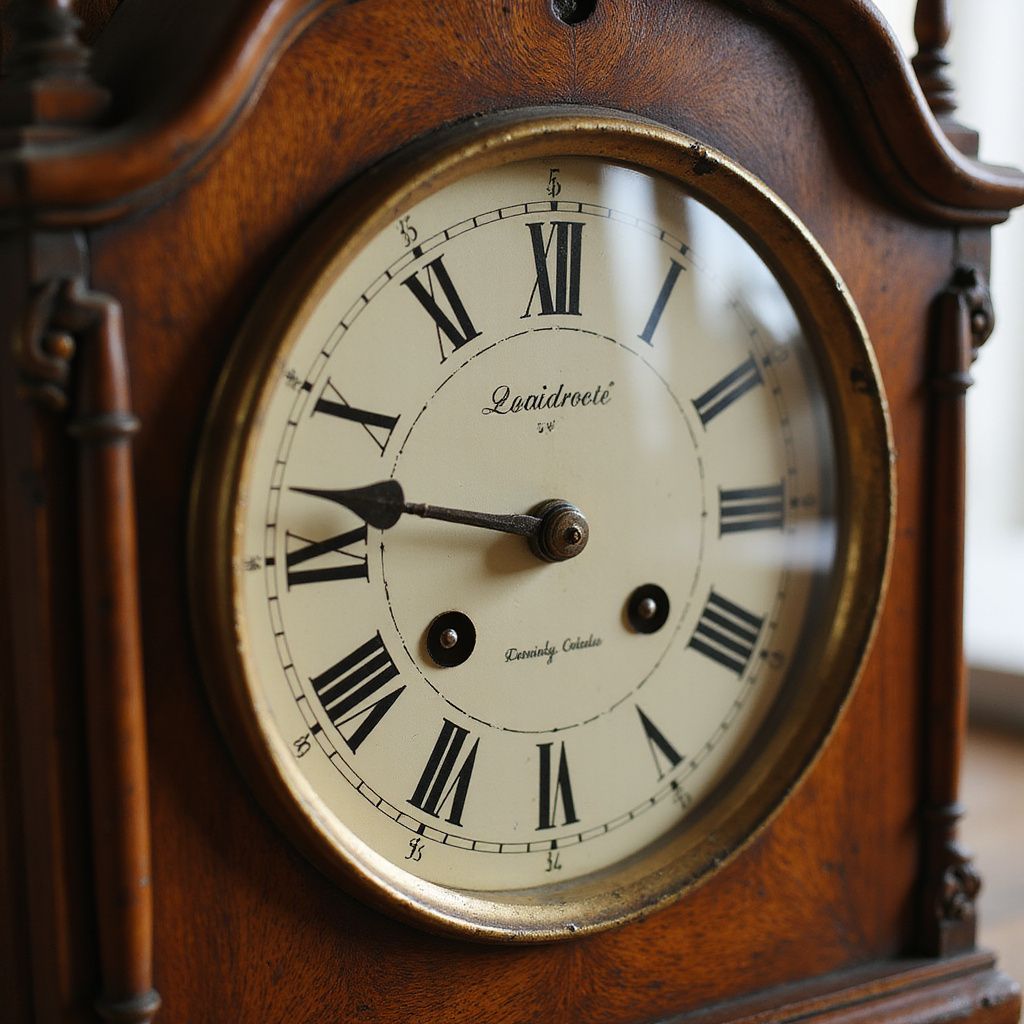
The owner of Eastport Clock spent sixteen years repairing and restoring historic buildings. Much of that work involved repairing old plaster made with horse hair, sand, oyster shell and early forms of wall board. These materials required steady attention and a thoughtful approach. Working with older structures taught the importance of studying each surface before making any change. That experience flows directly into clock case restoration. The same level of care used for historic plaster is now applied to wooden clock cases. The ability to understand the condition of old finishes and evaluate the right method for repair sets Eastport Clock apart. Restoration is not simply sanding or refinishing. It is careful study and a targeted approach to preserve original character.
Examination of the Case
Every restoration project begins with a complete review of the case. Eastport Clock examines the wood, veneer, finish, trim and structural elements. Some cases show outward wear that hides deeper concerns. Others appear stable but may have joints that have weakened over time. The owner looks for signs of moisture exposure, cracks, loose glass panels, faded areas and decorative features that need attention. The goal of this stage is to understand what the case requires and to ensure that the work supports both the appearance and stability of the timepiece. Clients receive clear information about what will be done and the expected results.
Cleaning and Surface Renewal
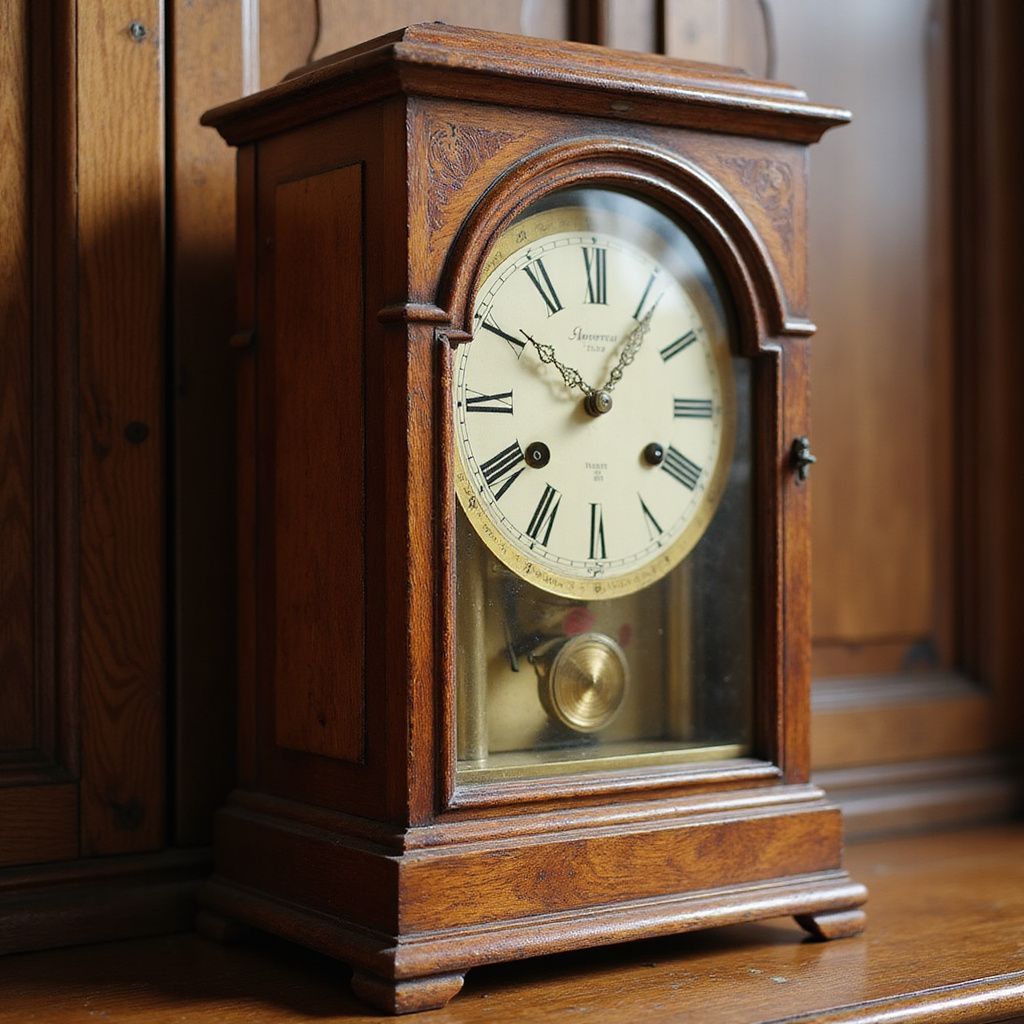
Many cases benefit from gentle cleaning before any other work begins. This removes the build up of oils, dust and residue that gather over the years. Cleaning must be done with care to avoid damaging fragile surfaces or fading the finish. Once cleaned the owner evaluates the surface to decide how best to restore its appearance. Some clocks need only minor renewal to bring back the warmth of the wood. Others require careful effort to blend worn areas with the rest of the case. The intention is not to create a result that looks new but to restore the appearance while honoring the age of the piece. This stage helps the clock regain its presence without losing its history.
Repair of Structural Concerns
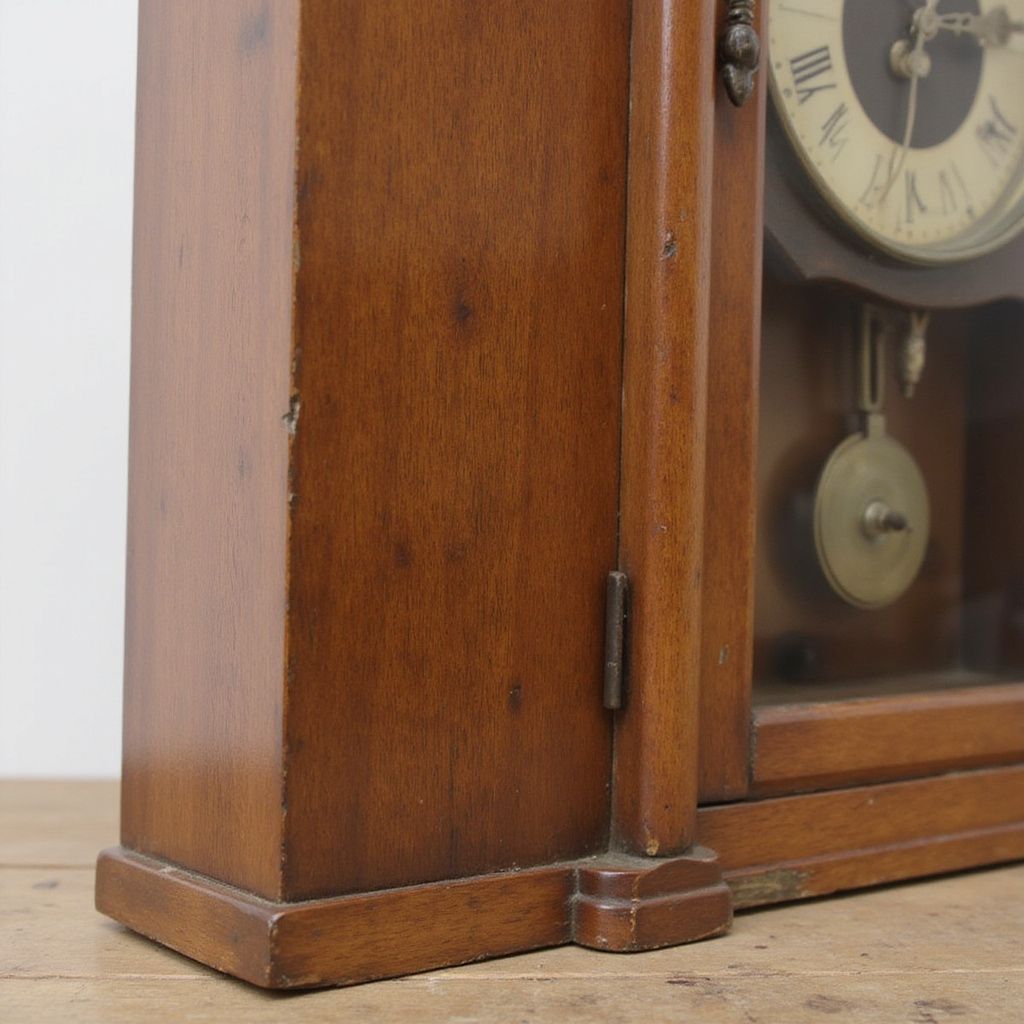
Clock cases often develop loose joints, worn edges or missing trim. Eastport Clock addresses each concern with patient work. Joints may be stabilized, trim may be reset and decorative elements may be repaired to restore shape and support. Veneer may require attention if it has lifted or cracked. The goal is to strengthen the structure without altering the appearance beyond what is appropriate for the age of the piece. When the structure is secure the clock becomes safer to use and can support the movement without stress.
Finish Restoration
Finish restoration is one of the most important parts of the process. Many finishes fade, crack or wear unevenly over the years. Restoring them requires a clear understanding of how older finishes were created and how they age. Eastport Clock works carefully to bring back depth and clarity without removing the character that defines an antique piece. Some clocks require gentle renewal. Others may need more detailed work to blend worn areas. The goal is to create a unified appearance that supports the history of the timepiece and respects the craftsmanship of its original maker.
Protecting the Clock After Restoration
Once restoration is complete clients are given guidance on how to care for the case going forward. Proper placement, regular dusting and careful handling help preserve the results of the restoration. Avoiding moisture and direct sunlight is also important. Eastport Clock assists clients in understanding the simple steps needed to keep the case in good condition. This information helps ensure that the timepiece continues to hold its beauty for many years.
Frequently Asked Questions
Will restoration remove the original finish?
The goal is to preserve the original finish whenever possible. Restoration focuses on cleaning, renewal and careful repair rather than replacement.
Can you repair cracked or missing veneer?
Yes. Each area is reviewed to determine the best method for repair while maintaining the character of the clock.
Do you restore cases for all types of clocks?
Yes. Grandfather clocks, grandmother clocks, mantel clocks, wall clocks and antique clocks are all welcome.
Will restoration change the appearance of the clock?
Restoration improves appearance while respecting the original style. The clock is not made to look new. It is renewed in a way that reflects its age.
Can restoration improve the stability of the case
Yes. Structural concerns such as loose joints and worn trim can be addressed to support both appearance and strength.
Contact Information
Eastport Clock is located at 5620 Nutwell Sudley Road in Deale, Maryland.
Clients may contact the shop at 443-333-9558 or email EastportClockCompany@gmail.com to discuss restoration needs. The business is open every day, which allows clients to reach out at any time.
Eastport Clock provides careful restoration that preserves beauty, history, and lasting value.